The Construction of Burj Khalifa: The Largest Skyscraper in the World
4 min read
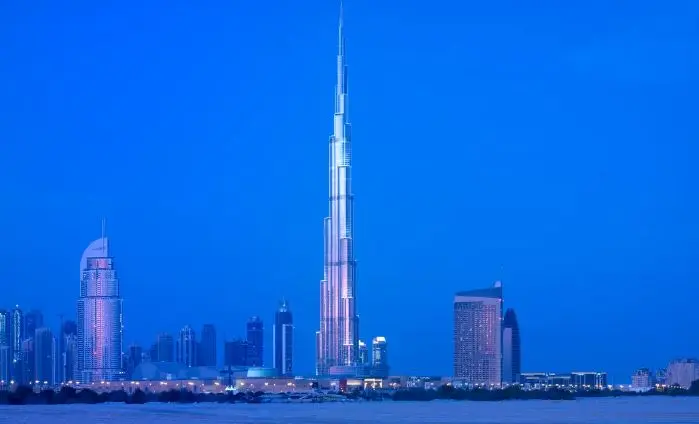
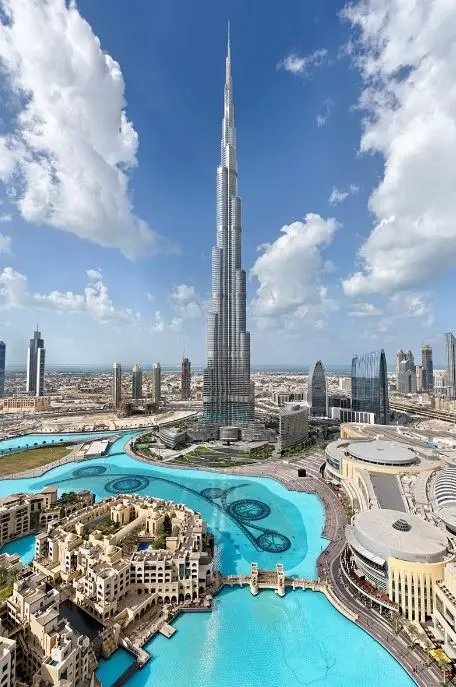
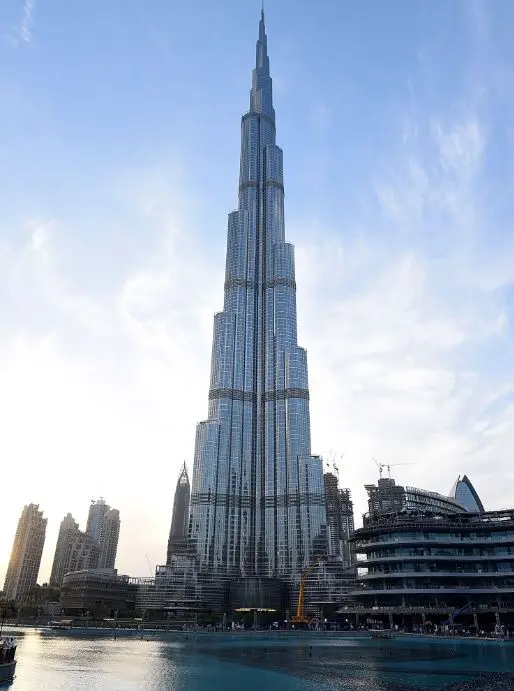
The construction of the Burj Khalifa, located in Dubai, United Arab Emirates, marked a revolutionary moment in modern architecture and engineering. At an impressive 828 meters high, the Burj Khalifa is currently the tallest building in the world. In this text, we will explore the fascinating aspects of the construction of this architectural icon, from its conception to the challenges faced during the construction process.
I. The Dubai Dream: From Idea to Reality
Dubai, known for its futuristic vision and ambition to become a global hub, aimed to have an iconic structure that would stand out on the global skyline. The Burj Khalifa project was initiated by Emaar Properties, a real estate development company, with the aim of creating a landmark that represents Dubai's entrepreneurial spirit and innovation.
II. Designing Greatness: The Concept and Design of Burj Khalifa
The Burj Khalifa project was designed by the architectural firm Skidmore, Owings & Merrill (SOM), which was inspired by Islamic geometric patterns and the shape of a desert flower, the Hymenocallis. With a multidisciplinary team of architects, engineers and consultants, they created a spectacular design that combined aesthetic form with structural efficiency.
III. Precision Engineering: Technical Challenges in Construction
Constructing a building as tall as the Burj Khalifa presented significant challenges for the engineers involved. One of the main challenges was the wind, as the structure would be subject to extreme forces. To address this, several strategies were implemented, including an aerodynamic design, use of pendulum mass dampers, and extensive testing in wind tunnels.
IV. Solid Foundations: Building the Base of the Burj Khalifa
The base of the Burj Khalifa was built using a technique known as "root piling". More than 50 meters were drilled into the ground to ensure the structure was properly anchored. Additionally, more than 190,000 cubic meters of concrete were used in the foundation, creating a solid and stable foundation for the building.
V. Ascension to Heaven: Building the Upper Floors
The construction of the upper floors of the Burj Khalifa involved the use of high-quality materials and advanced construction techniques. A team of specialist workers was employed to erect sections of the structure, using state-of-the-art cranes and lifting equipment. In addition, special glass was used for the windows in order to deal with the heat and intense solar radiation.
VI. Increasing Efficiency: Sustainability and Energy Efficiency
In an effort to promote sustainability, the Burj Khalifa was designed to maximize energy efficiency. Several measures were implemented, such as the use of high-performance double glazing for thermal insulation, efficient cooling systems and low-consumption LED lighting technologies. Furthermore, the building has a rainwater collection system for reuse, contributing to the conservation of water resources.
VII. Challenges from Height: Elevators and Water Supply System
With its extraordinary height, the Burj Khalifa required innovative solutions to ensure the efficient transportation of people and the supply of water to the upper floors. The building features a sophisticated high-speed elevator system that transports visitors and residents at impressive speeds. Additionally, advanced water pumping systems were used to ensure water pressure reached the highest floors.
VIII. An Architectural Wonder: The Interior and Public Spaces
In addition to its exterior grandeur, the Burj Khalifa was designed to offer a luxurious and pleasant environment inside. The building houses offices, residential apartments, luxury hotels and a variety of commercial spaces. The interiors were designed with sophisticated materials and high-quality finishes, providing an elegant and welcoming environment for occupants.
IX. A Cultural and Tourist Center
The Burj Khalifa has become a cultural and tourist center in its own right. In addition to its residences and offices, the building has observatories on the upper floors, offering stunning views of the city of Dubai. The site also hosts a number of art galleries, exhibitions and special events, attracting visitors from around the world.
X. Legacy and Influence
The completion of Burj Khalifa has set a new milestone in modern architecture and engineering, inspiring projects around the world. Its iconic silhouette has become a symbol of innovation and progress, reflecting Dubai's entrepreneurial spirit. Additionally, the construction of the Burj Khalifa triggered significant growth in the UAE's tourism industry, boosting the local economy.
Conclusion
The construction of the Burj Khalifa is a remarkable example of world-class vision, engineering and architecture. With its imposing height and impressive design, the building has become a global landmark, symbolizing the UAE's technological advancement and innovative spirit. Furthermore, Burj Khalifa incorporates elements of sustainability, energy efficiency and aesthetic design, becoming a model for future architectural endeavors. As an enduring icon