How the Sugar Loaf Cable Car Was Built
3 min read
The city of Rio de Janeiro was founded on March 1, 1565, near Sugarloaf Mountain, a mountain that until then was an island. The choice of location was strategic to guard the entrance to Guanabara Bay and the mountain was important as a signaling point. Over time, a landfill connected the island to the mainland in 1697 and several buildings were erected to defend the territory.
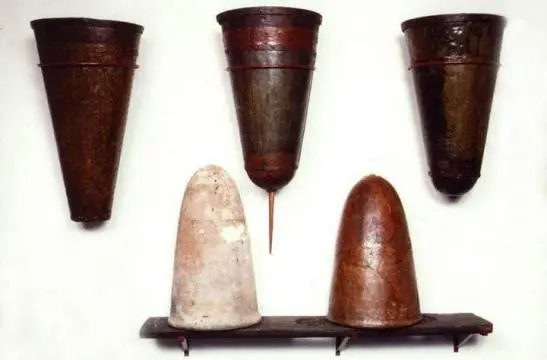
However, the urban neighborhood of Urca was only built 300 years after the city was founded. Sugarloaf Mountain is a granite mountain over 600 million years old that has no vegetation along almost its entire length. There are several versions related to the origin of the name Pão de Açúcar, but the most accepted is that it was given by the Portuguese because of its similarity to the blocks of sugar that were transported in conical shapes.
Morro da Urca, 220 meters high, is one of the hills that make up the Sugarloaf Mountain complex. Access to the top is provided exclusively by the Sugar Loaf Cable Car, which opened on October 27, 1912, connecting Praia Vermelha to Morro da Urca. The initial project called for the construction of three lines, but only the first was opened in 1912. Three months later, in January 1913, it was already possible to reach the top of Sugarloaf Mountain.
Below are some photos from that time:
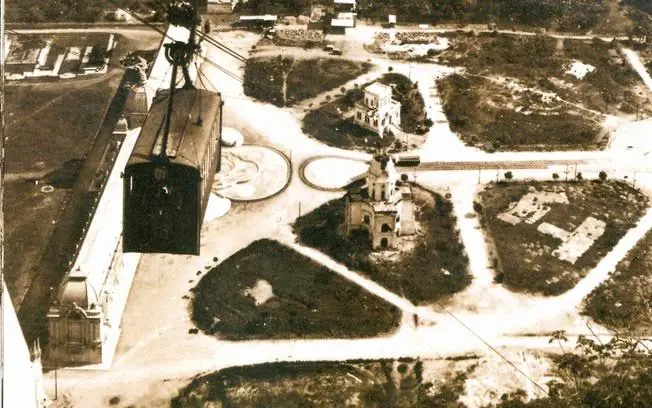
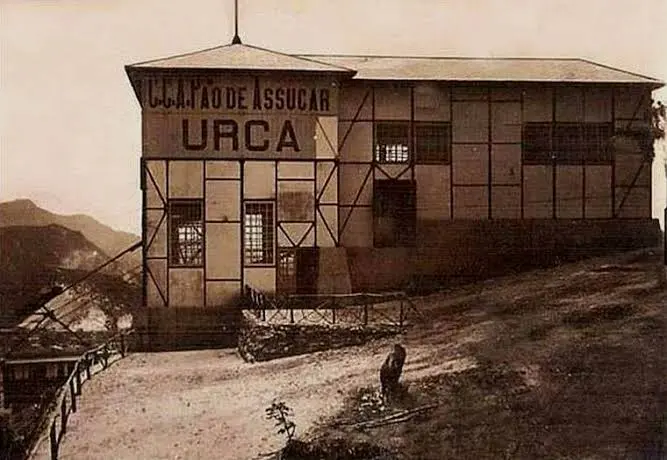
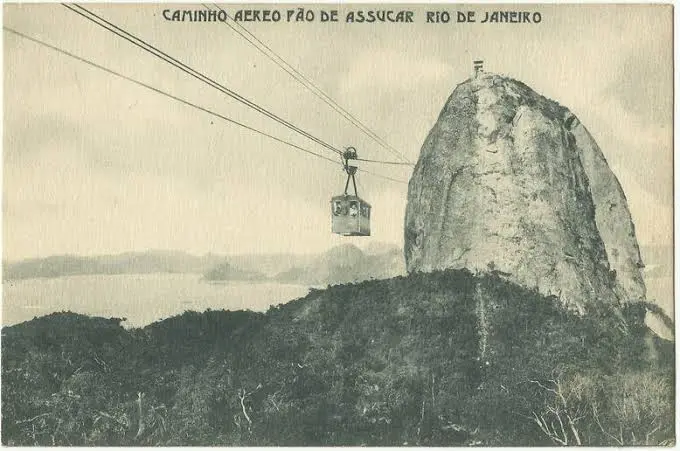
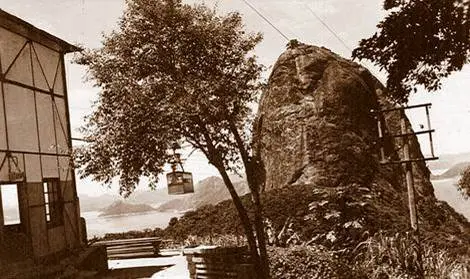
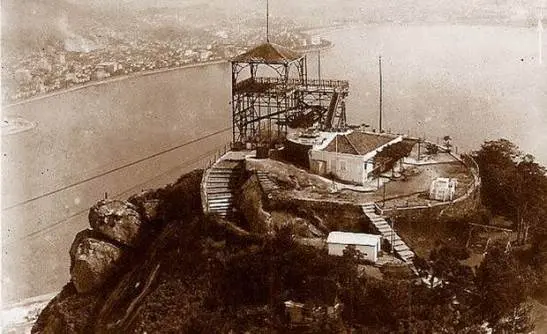
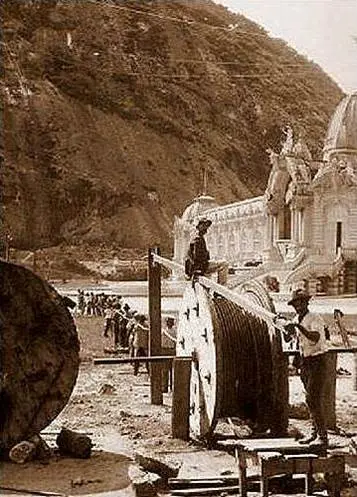
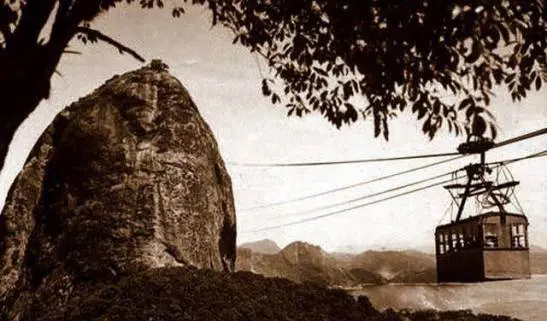
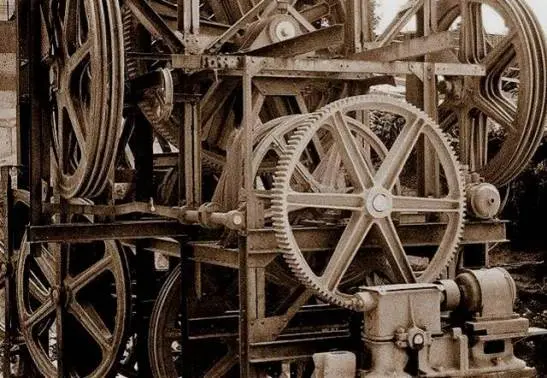
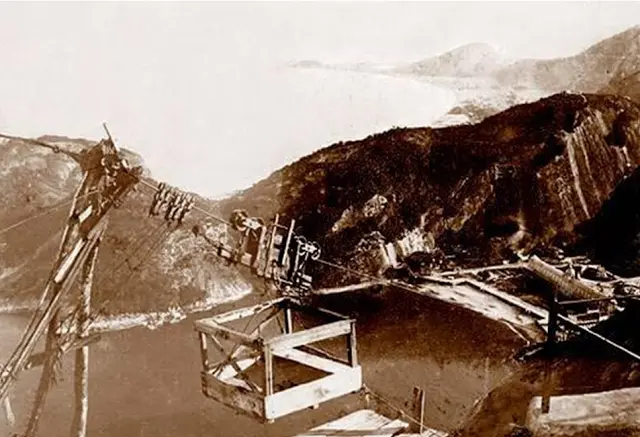
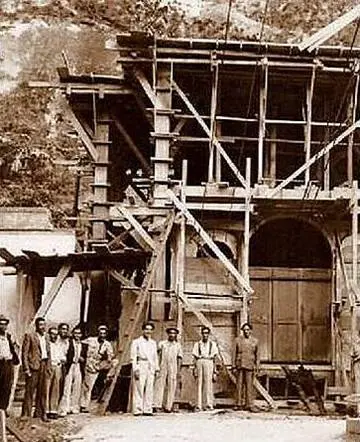
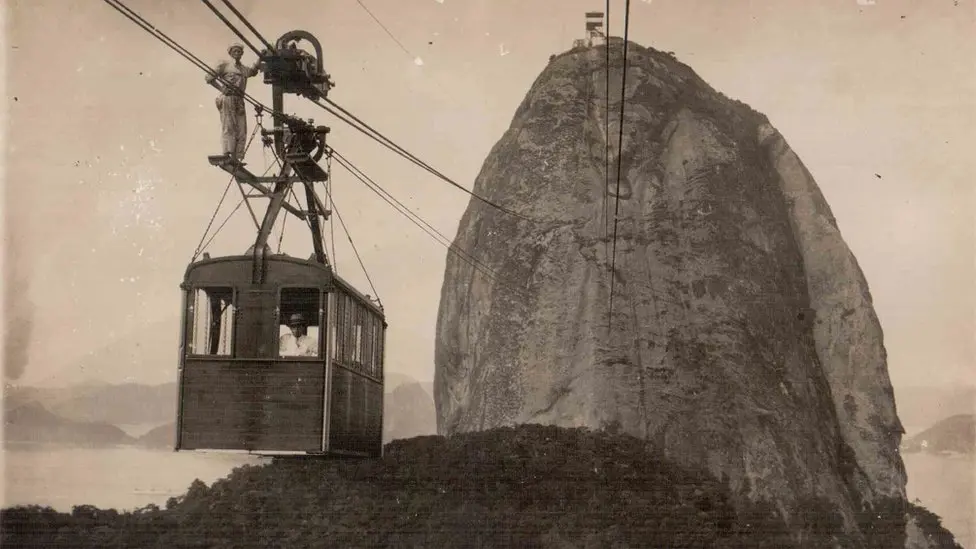
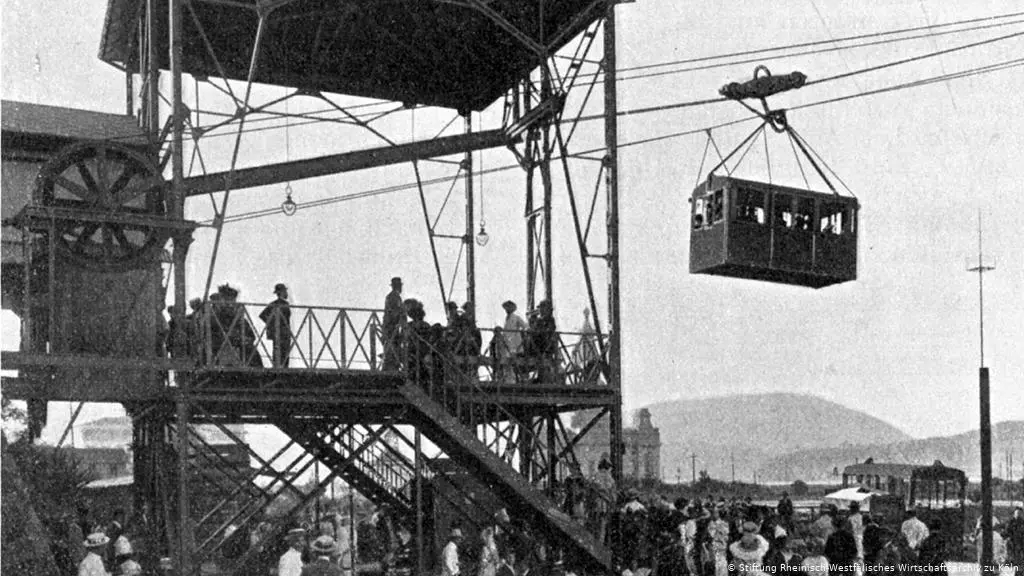
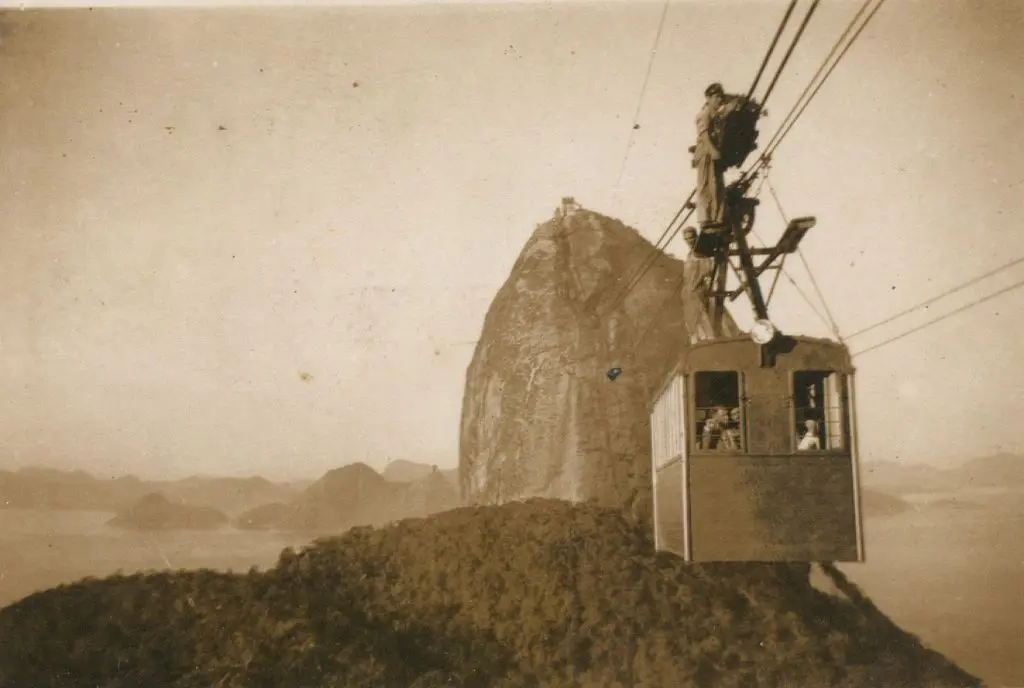
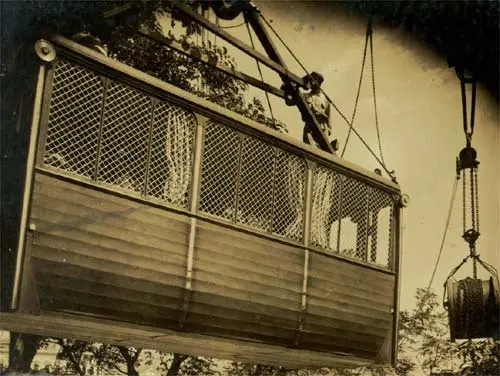
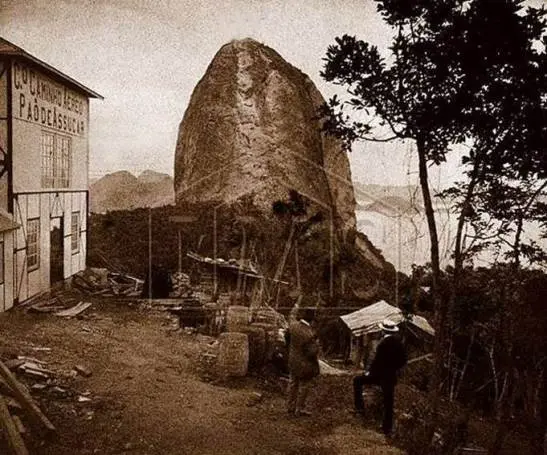
To build the cable car, more than 400 climbing workers were needed, each one climbing with some pieces to the tops of the Urca and Pão de Açúcar hills to be assembled. The trolleys, with capacity for 22 people, were imported from Germany and today, after some renovations, each cable car has capacity for 75 passengers.
In 1969, Companhia do Pão de Açúcar received authorization to duplicate the line and four new cable cars were inaugurated. The first line is 600 meters long and the maximum speed during the journey is 6 meters per second, while the second line is 850 meters long and the maximum speed is 10 meters per second.
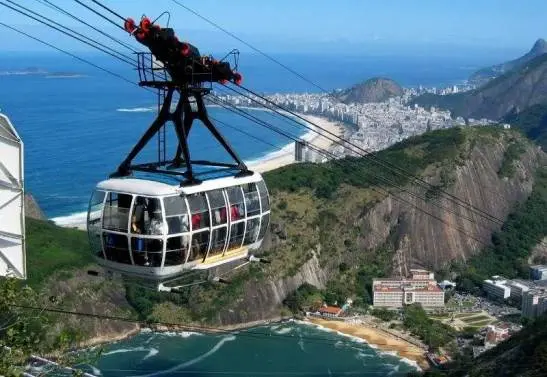
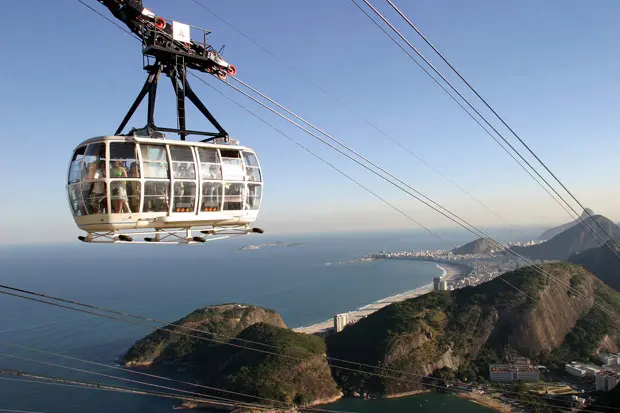
Today, the Sugar Loaf Cable Car is one of the main tourist attractions in Rio de Janeiro, attracting thousands of tourists every year. In addition to the incredible view of the city, the experience of riding the cable car is unique and provides a feeling of freedom and admiration for nature.