The Fall of the Berlin Wall
2 min read
The Fall of the Wall
The fall of the Berlin Wall, on November 9, 1989, was a historic event that marked the end of the Cold War and the division of Germany. The wall was built by the GDR as a measure to prevent its citizens from emigrating to the western side of the city and quickly became a symbol of the division of Europe.
Division of Germany
Built in 1961, the Berlin Wall was one of the most famous and symbolic barriers in the world, dividing the city of Berlin into two distinct countries: the German Democratic Republic (GDR), controlled by the Soviets, and the Federal Republic of Germany (FRG), governed by the Western Allies.
Beginning of the Movement
Although the fall of the Berlin Wall is often portrayed as a spontaneous event, it was actually the result of a series of political and social changes that occurred during the 1970s and 1980s.
The first crack in the barrier came in 1989, when the Hungarian government began allowing GDR citizens to travel freely across the country, towards Austria. This allowed many East Germans to escape the oppression of the communist government and eventually begin arriving in large numbers at the West German embassy in Budapest, seeking asylum.
At the same time, the government of Poland, another communist country, was becoming more tolerant of political dissent. The Solidarity union, led by Lech Walesa, won significant victories in parliamentary elections and the country's communist leaders began to move away from the use of force to maintain control.
These political and social changes created a climate of change in Eastern Europe, which extended to Berlin. Public and political pressure, both inside and outside the country, was increasing for the GDR government to allow the free movement of people and ideas.
The fall of the Berlin Wall
On November 9, 1989, in response to these pressures, the GDR government decided to relax travel restrictions to the western side. But instead of allowing the free movement of people, the government announced that citizens could travel freely to the west, but only if they had a valid visa. This led to confusion at the border, with border guards unable to determine who could travel and who could not.
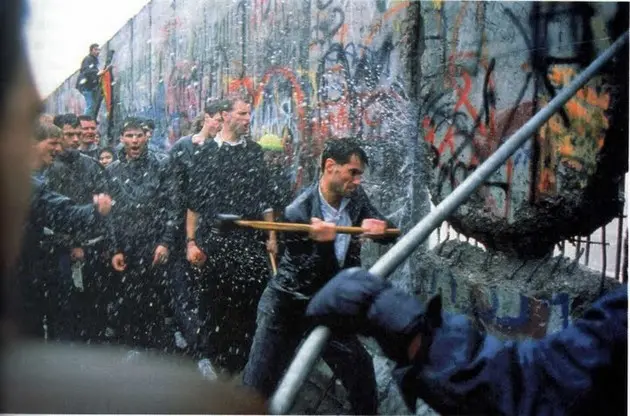
A crowd gathered around the barriers and border guards, overwhelmed by the situation, opened the gates, allowing people to cross freely. The crowd grew, tearing down parts of the wall and damaging the structure.
The fall of the Berlin Wall was a historic event that represented the victory of freedom.